Hello

When to Use a Hydraulic Hammer Instead of Conventional Demolition Methods

When to Use a Hydraulic Hammer

Demolition and breaking work can be one of the most demanding stages of a construction or civil engineering project. Reinforced concrete, hard surfaces and rock can slow progress considerably when the equipment being used is not suited to the material or scale of the job.

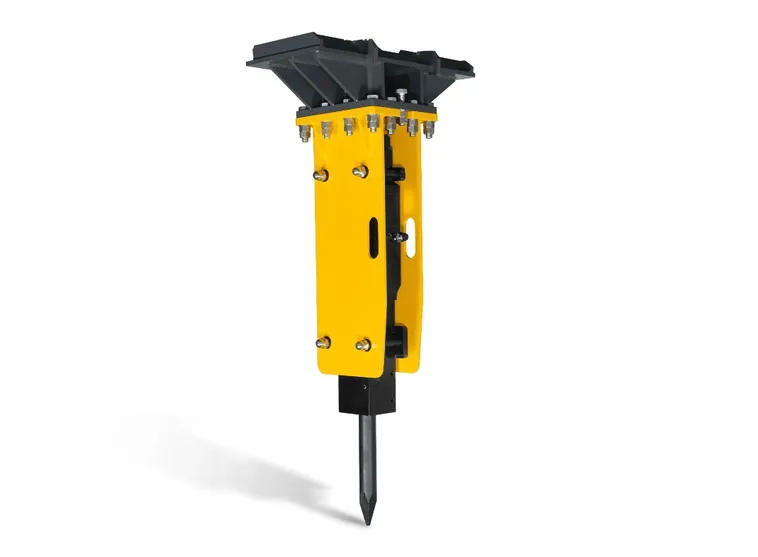
While conventional demolition methods still have their place, contractors increasingly rely on the hydraulic hammer attachment when mechanical breaking power is required. Mounted to suitable excavating equipment, a hydraulic hammer concentrates powerful repeated blows onto a specific area, helping break hard materials in a controlled and efficient manner.

For civil contractors and construction companies, knowing when to use an excavator rock breaker rather than relying on slower or more labour-intensive methods can have a significant effect on productivity, site organisation and project timelines.

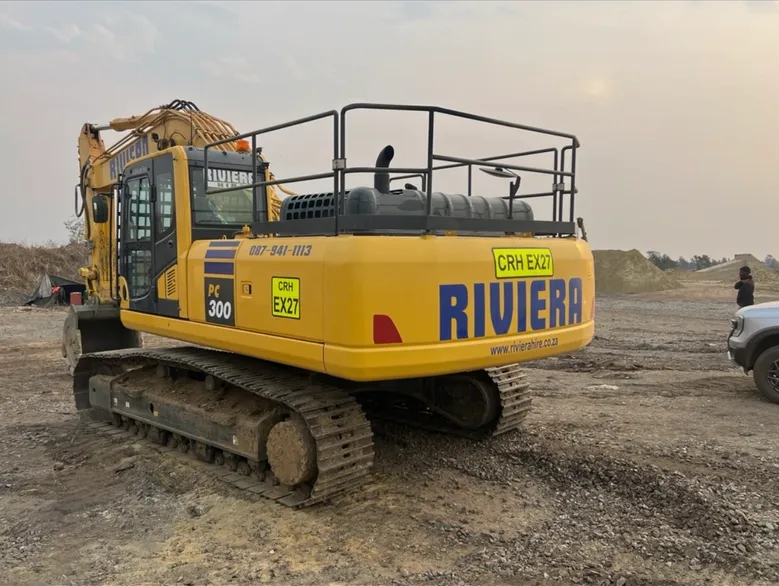
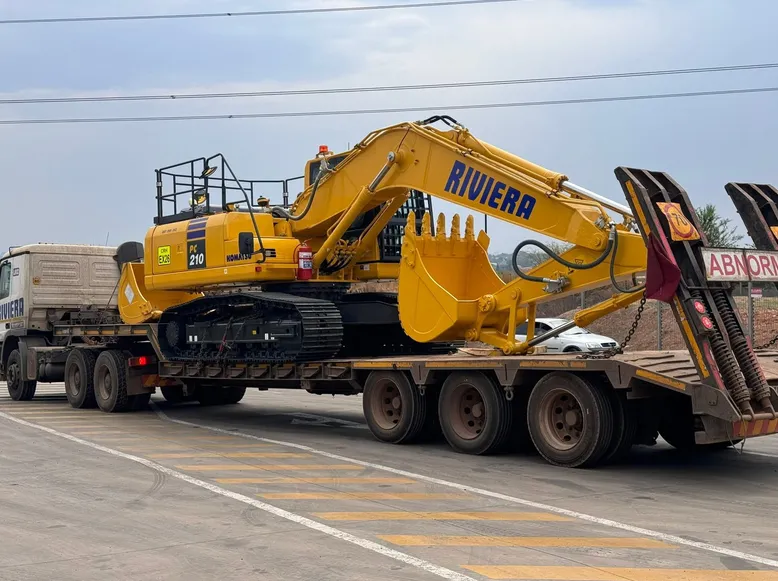
Riviera Hire’s equipment and attachment offering gives contractors access to practical solutions for demanding site conditions without requiring them to purchase specialised equipment for every application.

Breaking Concrete and Rock Efficiently

Breaking hard material is fundamentally different from excavating ordinary soil. An excavator bucket may be effective for moving loose material, but concrete and solid rock require concentrated impact energy before they can be removed efficiently.

This is where a hydraulic hammer becomes particularly useful.

A hydraulic hammer uses the hydraulic system of the carrier machine to generate repeated impact force through the attachment. That force is transferred directly into the material being broken.

The result is a purpose-built solution for applications where ordinary digging equipment cannot efficiently penetrate the surface.

Common applications can include:

  • Breaking concrete
  • Breaking hard rock
  • Removing existing hard surfaces
  • Preparing material for excavation
  • Supporting trenching in difficult ground
  • Breaking sections of existing structures where appropriate

The objective is not simply to use more power. It is to use equipment designed for the specific material being encountered.

Industries That Benefit from Hydraulic Hammer Attachments

Hydraulic hammers can support a range of construction and civil applications.

Civil contractors may encounter rock while excavating trenches or preparing infrastructure works. Construction contractors may need to remove existing concrete before new work can proceed. Other projects may require hard material to be broken into manageable sections before excavation or removal.

Typical industries and applications include:

Construction

Existing concrete and hard surfaces may need to be removed during redevelopment, alteration or site preparation.

Civil Engineering

Infrastructure projects frequently involve excavation through varying ground conditions. A hydraulic hammer provides additional breaking capability when harder material is encountered.

Utility Work

Trenching for underground infrastructure may become difficult when operators encounter rock or existing concrete.

Earthmoving

Rock formations or other hard materials may need to be broken before excavators can efficiently remove them.

The ability to use an attachment suited to these conditions can prevent hard material from becoming a major obstacle to project progress.

When Conventional Methods Become Inefficient

Not every demolition or breaking task requires a hydraulic hammer. Smaller jobs may be completed effectively using other methods.

The situation changes when the volume, hardness or location of the material begins to affect productivity.

Manual breaking methods can become increasingly labour-intensive as the scale of the job grows. Contractors may spend considerable time breaking material before it can even be removed from the work area.

Using inappropriate machinery creates another problem. Attempting to force an ordinary bucket through material it was not designed to break can reduce productivity and place unnecessary strain on equipment.

A hydraulic hammer attachment provides a more task-specific approach.

Rather than trying to make conventional equipment perform a breaking function, contractors can use an attachment designed to deliver concentrated impact.

Hydraulic Hammers for Concrete Breaking

Concrete is one of the most obvious applications for hydraulic hammers.

Existing slabs, foundations, structures or other concrete elements can create significant challenges when they must be removed as part of a construction project.

The material often needs to be broken into manageable pieces before it can be excavated, loaded or transported away.

A hydraulic hammer allows the operator to work systematically through the concrete, concentrating force where it is required.

This can improve the demolition sequence by making the material easier to handle during the next stage of the project.

It also enables the same carrier machine to remain useful once breaking has been completed, depending on the equipment and attachments required for subsequent work.

Dealing with Rock During Excavation

Ground conditions are not always predictable.

Even with proper site investigation and planning, contractors can encounter sections of hard rock that slow excavation.

An excavator that moves ordinary soil efficiently may struggle when it reaches material that cannot be penetrated effectively with a bucket.

An excavator rock breaker provides a solution by breaking the rock into smaller sections that can then be excavated.

This can be particularly useful during:

  • Foundation excavation
  • Trenching
  • General earthworks
  • Site preparation
  • Civil infrastructure work

Instead of allowing hard ground to stop progress completely, contractors can adapt the machine to the conditions encountered.

Supporting Trenching in Difficult Ground

Trenching is required across many construction and infrastructure projects, particularly where underground services need to be installed.

Ground conditions can vary significantly along a trench route.

An operator may move efficiently through ordinary material before suddenly reaching rock or an existing hard structure.

Trying to continue with the same excavation method can dramatically reduce progress.

A hydraulic hammer can be used to break the obstruction before excavation continues. This allows contractors to deal with localised difficult conditions without necessarily changing the entire excavation strategy.

For utility and civil projects where timelines are important, this flexibility can be particularly valuable.

Infrastructure and Civil Engineering Applications

Infrastructure projects often involve demanding working conditions and substantial volumes of material.

Roadworks, underground services and other civil works may require existing concrete or rock to be removed before construction can proceed.

In these environments, equipment productivity matters because one delayed activity can affect several subsequent stages.

A suitable demolition attachment South Africa contractors can access when required gives project teams additional flexibility when challenging material is encountered.

The attachment becomes part of a broader equipment strategy rather than a standalone demolition solution.

Improving Productivity Through the Right Attachment

Productivity is not simply about operating machinery faster.

It comes from selecting equipment that allows a task to be completed efficiently and correctly.

When hard material is encountered, a hydraulic hammer can help reduce time spent attempting to break it using unsuitable methods.

Potential operational benefits include:

  • Faster breaking of suitable hard materials
  • Reduced reliance on manual breaking
  • Better utilisation of excavating equipment
  • More efficient transition between breaking and excavation
  • Improved progress through difficult ground conditions

These advantages become particularly important on projects where equipment and labour are scheduled around specific stages of work.

Reducing Manual Labour

Breaking concrete or rock manually can be physically demanding and time-consuming.

Mechanical breaking equipment allows a significant portion of that work to be completed from the carrier machine.

This can reduce the number of workers required immediately around the breaking operation and allow labour resources to be used more effectively elsewhere on site.

It does not remove the need for proper supervision, exclusion zones or safe working procedures. Instead, it changes how the physical breaking task itself is performed.

Safety Remains Essential

Hydraulic hammers are powerful pieces of equipment, and their use must be properly planned.

The operator must be competent in the carrier machine and attachment, and the work area should be controlled appropriately.

Site considerations may include:

  • Identifying underground services before breaking begins
  • Establishing appropriate exclusion zones
  • Assessing nearby structures
  • Managing flying debris
  • Using suitable personal protective equipment
  • Monitoring machine and attachment condition
  • Following the correct operating procedures

The attachment must also be suitable for the carrier machine and the intended application.

Using the correct equipment does not replace safe working practices. Both need to work together.

Matching the Hammer to the Application

Hydraulic hammers are not one-size-fits-all attachments.

The carrier machine, material being broken and nature of the project all influence equipment selection.

An attachment that is suitable for one excavator or application may not be suitable for another.

Contractors should therefore consider factors such as:

  • Carrier machine compatibility
  • Material hardness
  • Required breaking capacity
  • Available working space
  • Project duration
  • Access conditions

Selecting appropriately helps ensure the attachment performs effectively without placing unnecessary strain on the equipment.

Why Hiring Makes Sense for Specialist Breaking Work

Hydraulic hammer work may represent only one phase of a larger construction project.

A contractor could require the attachment for several days to break hard material and then move immediately back to ordinary excavation work.

Purchasing specialised equipment for occasional use can therefore be difficult to justify.

Hiring provides access to the required attachment for the period in which it is actually needed.

This gives contractors greater flexibility to adapt to site conditions without committing capital to equipment that may not be required on every project.

Riviera Hire for Hydraulic Hammer Requirements

Construction projects rarely go exactly according to plan. Ground conditions change, existing structures create obstacles and hard materials can appear where ordinary excavation equipment is no longer effective.

Having access to the appropriate attachment allows contractors to respond to these conditions rather than allowing them to halt progress.

Riviera Hire’s hydraulic hammer solutions support contractors requiring additional breaking capability for construction, civil engineering and earthmoving applications.

By matching the attachment to the project and carrier machine, contractors can approach difficult breaking work with equipment designed for the task.

Conclusion

Conventional demolition and excavation methods remain suitable for many applications, but they become inefficient when concrete, rock and other hard materials resist ordinary equipment.

A hydraulic hammer attachment provides concentrated breaking power that can support concrete removal, rock excavation, trenching and civil infrastructure work. Used in the right application, an excavator rock breaker can reduce manual effort, improve equipment utilisation and help projects continue through difficult ground conditions.

Riviera Hire provides hydraulic hammer solutions for contractors who need the right attachment at the right stage of a project. Speak to Riviera Hire about your site conditions and equipment requirements to determine an appropriate solution for your next construction or civil engineering project.
Why TLBs Continue to Be One of the Most Versatile Machines on Construction Sites

Most Versatile Machines

Construction sites often require several different tasks to be completed within the same working area. Material needs to be excavated, trenches opened, soil moved, loads handled and surfaces prepared before the next stage of construction can begin.

Bringing a separate machine onto site for every activity is not always practical. This is one of the reasons the TLB, or tractor-loader-backhoe, continues to play such an important role across South African construction and civil engineering projects.

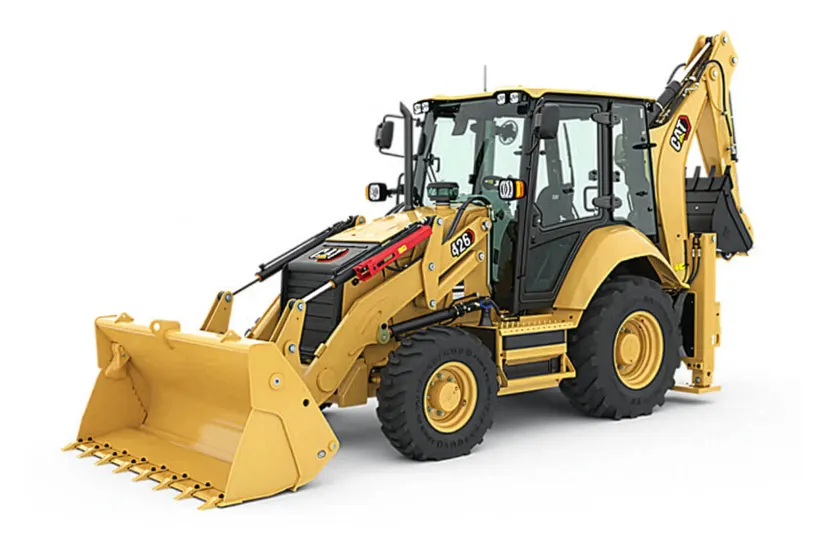
By combining a front loader with a rear excavating arm, a TLB can perform multiple functions without requiring contractors to change machines every time the task changes. This versatility makes TLB hire South Africa particularly relevant for contractors looking for equipment that can handle varied day-to-day site requirements.

Riviera Hire’s TLB offering provides contractors with access to CAT equipment and attachments suited to a range of construction applications, allowing one machine to support multiple stages of a project.

One Machine, Multiple Applications

The defining advantage of a TLB is its combination of loading and excavation capability.

At the front of the machine, the loader can handle loose materials and assist with general site work. At the rear, the backhoe provides digging capability for trenches, excavations and other groundworks.

This combination allows the machine to move between tasks during the same shift.

Typical construction TLB applications include:

  • Excavating trenches
  • Loading loose material
  • Site clearing
  • Backfilling
  • General earthworks
  • Utility work
  • Material handling with appropriate attachments
  • Supporting municipal and civil works

For contractors working on sites where requirements change throughout the day, this versatility can simplify both equipment planning and site logistics.

Choosing a TLB for Your Next Project

A TLB is particularly useful where a project requires a balance between excavation and loading.

Before selecting one, contractors should consider:

  • What materials need to be excavated?
  • How deep is the required excavation?
  • Will material also need to be loaded or repositioned?
  • How much working space is available?
  • Are attachments required?
  • How frequently will the machine move between tasks?

These questions help determine whether a TLB offers the right combination of capabilities for the project.

Excavation and Trenching

Trenching is one of the most common applications for a TLB.

Construction and civil projects regularly require trenches for:

  • Water services
  • Drainage
  • Electrical infrastructure
  • Telecommunications
  • Other underground services

The rear excavating arm allows the operator to dig while the front loader remains available for handling excavated material or assisting with backfilling later in the project.

This ability to perform both functions can reduce the need to have separate excavation and loading machines available for relatively straightforward projects.

Loading and Material Handling

Excavation is only one part of earthmoving.

Once soil, aggregate or other material has been excavated, it often needs to be moved, loaded or redistributed.

The front loader allows a TLB to perform this function without changing machines.

It can assist with:

  • Loading loose material
  • Moving soil around the work area
  • Backfilling
  • General site clean-up
  • Handling construction materials where suitable

For smaller and medium-sized construction projects, this combination of functions can make the TLB particularly useful.

Supporting Utility Work

Utility installation frequently requires equipment capable of performing several related tasks.

A trench may need to be excavated, material moved away from the work area, services installed and the trench subsequently backfilled.

A TLB can support several of these stages.

This versatility makes it suitable for projects involving underground infrastructure where contractors need a machine capable of adapting as the work progresses.

Attachments can extend this capability further where compatible equipment is available.

Site Clearing and General Earthworks

Before construction begins, a site often requires preparation.

Loose material, debris or unsuitable soil may need to be removed or repositioned. Ground may also require excavation before foundations, services or other infrastructure can be installed.

A TLB can assist with general site clearing and earthmoving while retaining the ability to switch to more precise excavation when required.

This combination is useful on projects where the work does not justify bringing multiple large machines onto site.

Supporting Municipal Projects

Municipal and infrastructure work often involves a combination of excavation, maintenance and material handling.

TLBs can support tasks associated with:

  • Drainage work
  • Utility maintenance
  • Trenching
  • General earthworks
  • Site clearing
  • Material movement

Their ability to travel around a working area and switch between functions makes them a practical option for varied municipal applications.

The exact machine and attachment requirements should always be determined according to the task and site conditions.

Attachments Extend TLB Versatility

The versatility of a TLB is not limited to its standard loader and backhoe configuration.

Suitable attachments can expand the range of work the machine can perform.

Riviera Hire’s TLB offering has included attachments such as:

  • General-purpose buckets
  • Hydraulic hammers
  • Augers
  • Pallet forks

Each attachment serves a different purpose.

A hydraulic hammer can provide breaking capability where concrete or hard material is encountered. An auger can support drilling applications. Pallet forks can assist with appropriate material handling tasks.

The ability to select an attachment according to the project allows contractors to get more functionality from the same carrier machine.

Reducing Equipment Congestion

Space is often limited on active construction sites.

Multiple machines operating within the same work area can create logistical challenges, particularly where workers, deliveries and other vehicles also need access.

Because a TLB can perform both excavation and loading functions, it may reduce the number of machines required for certain projects.

Fewer machines can mean:

  • Less site congestion
  • Simpler equipment coordination
  • Easier movement around the work area
  • Fewer equipment deliveries
  • More straightforward daily planning

This does not mean a TLB replaces specialised machinery in every situation. Large-scale earthmoving may still require dedicated excavators or other equipment.

The advantage comes from using the TLB where its versatility genuinely matches the project.

Productivity Through Versatility

Productivity is not always about having the largest or most powerful machine.

On many projects, productivity comes from reducing unnecessary interruptions between tasks.

If an operator can excavate a trench and later use the same machine to assist with loading or backfilling, less time may be spent coordinating separate equipment.

This makes the TLB particularly useful for projects involving varied tasks rather than a single high-volume operation.

TLBs for Projects with Changing Requirements

Construction projects evolve as work progresses.

The equipment needed during initial site preparation may differ from what is required once underground services are installed or finishing work begins.

A versatile machine gives contractors greater flexibility to respond to these changes.

Instead of hiring highly specialised equipment for every minor task, a TLB can support several activities throughout the project.

For contractors managing changing site requirements, this flexibility can make equipment planning considerably easier.

Understanding When a TLB Is Not the Right Choice

Versatility does not mean a TLB is ideal for every job.

Large bulk excavation projects may require dedicated excavators with greater digging capacity. Highly specialised applications may require purpose-built equipment or attachments.

The key is to assess the work rather than automatically choosing a machine based on familiarity.

A TLB is strongest where a project requires a practical combination of excavation, loading, material handling and general site support.

Selecting it for the right application ensures its versatility becomes a genuine productivity advantage.

Why Hire a TLB?

For many contractors, TLB requirements change from project to project.

Purchasing machinery that may not be used continuously can create unnecessary capital and maintenance commitments.

Hiring provides access to equipment when it is required without creating permanent ownership obligations.

Benefits can include:

  • Access to the machine for the required project duration
  • Reduced capital expenditure
  • Greater flexibility between projects
  • Access to relevant attachments where available
  • Reduced responsibility for long-term equipment ownership

For contractors searching for CAT TLB hire, the ability to match equipment to a particular contract can support more efficient resource planning.

Riviera Hire’s TLB Offering

Riviera Hire provides TLB hire for contractors requiring versatile equipment for construction and civil engineering applications.

Its TLB offering includes CAT machines, with attachments available for different site requirements.

This gives contractors the ability to configure equipment according to the work being undertaken rather than relying on one fixed setup.

Whether the requirement involves excavation, loading, trenching, site clearing or compatible attachment work, selecting the appropriate configuration helps contractors use the machine effectively throughout the project.

Conclusion

Few pieces of construction equipment combine excavation and loading capabilities as effectively as a TLB. Its ability to move between different tasks makes it a practical machine for construction sites where project requirements change throughout the day.

From trenching and utility work to loading, site clearing and general earthworks, the range of construction TLB applications explains why these machines continue to be widely used.

For contractors requiring TLB hire South Africa, Riviera Hire provides CAT TLB equipment and attachment options for a range of construction and civil engineering applications. Speak to Riviera Hire about your project requirements to determine whether a TLB is the right machine and configuration for the work ahead.

Choosing the Right Excavator for Different Earthmoving Projects

Choosing the Right Excavator

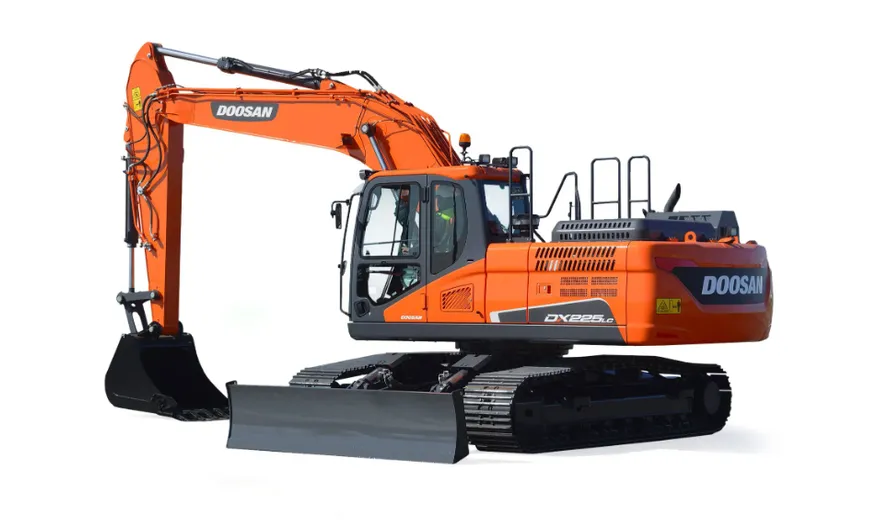
Excavators are among the most important machines found on construction and earthmoving sites. From large-scale excavations to trenching, site preparation and material handling, they provide the power and versatility needed to complete demanding work efficiently.

However, not every project requires the same type or size of excavator. Choosing machinery that is too large can increase operating costs and create unnecessary access challenges, while equipment that is too small may struggle to complete work within project deadlines.

Understanding how to select the correct excavator helps contractors improve productivity, reduce operating costs and complete projects more efficiently. For businesses looking for excavator hire South Africa, selecting equipment that matches the site and application is one of the most important decisions made before work begins.

Riviera Hire supplies reliable excavators suitable for a range of construction, civil engineering and earthmoving applications, helping contractors choose equipment that delivers practical performance where it matters most.

Matching Machine Size to Site Requirements

Every construction site presents different challenges. Ground conditions, available working space, excavation depth and material volumes all influence which excavator will perform most effectively.

Larger excavators generally provide greater digging power and reach, making them suitable for bulk earthmoving and major civil engineering work. Smaller excavators, however, are often the better choice where access is limited or precision is required.

Before selecting equipment, contractors should consider:

  • The amount of material to be excavated
  • Site access restrictions
  • Working space available
  • Ground conditions
  • Required digging depth
  • Material handling requirements

Taking these factors into account helps ensure the excavator is suited to the demands of the project rather than simply selecting the largest machine available.

Why Bigger Isn’t Always Better

It is easy to assume that larger equipment will complete work faster. In reality, oversized machinery can reduce efficiency on many projects.

Large excavators require more operating space, consume more fuel and can be more difficult to manoeuvre on confined sites. In urban developments or smaller commercial projects, this often results in unnecessary delays.

Selecting the correct excavator size provides several advantages:

  • Better manoeuvrability
  • Lower fuel consumption
  • Improved visibility
  • Easier transport to site
  • Reduced ground disturbance

Matching machine size to project requirements allows contractors to maximise productivity while controlling operating costs.

Understanding Different Earthmoving Applications

Excavators perform a wide variety of tasks throughout the construction industry. Although digging remains their primary function, modern machines support numerous applications across different sectors.

Typical uses include:

Bulk Earthworks

Large-scale excavation for commercial developments, industrial projects and infrastructure construction.

Foundation Excavation

Preparing sites for residential, commercial and industrial foundations.

Trenching

Creating trenches for utilities, drainage systems and underground services.

Site Preparation

Clearing land, removing unsuitable material and preparing platforms before construction begins.

Material Handling

Loading excavated material into tipper trucks for removal or redistribution across site.

Each application places different demands on the machine, making correct equipment selection essential.

Site Conditions Influence Equipment Choice

Ground conditions play a major role in excavator performance.

Soft soils, rocky terrain and uneven ground all require careful planning before machinery arrives on site.

Contractors should assess:

  • Soil stability
  • Existing structures
  • Underground services
  • Slopes and gradients
  • Working clearances

These factors affect not only productivity but also operator safety.

Choosing the appropriate excavator helps minimise operational risks while maintaining efficient progress throughout the project.

Improving Productivity Through Better Equipment Selection

Productivity is influenced by more than engine power.

Using equipment suited to the project allows operators to work confidently and efficiently without constantly repositioning machinery or working beyond its intended capabilities.

The correct excavator helps contractors:

  • Complete digging operations faster
  • Reduce unnecessary machine movement
  • Improve loading efficiency
  • Minimise fuel consumption
  • Reduce wear on equipment

These operational improvements contribute directly to lower project costs and more predictable completion times.

Fuel Efficiency Matters

Fuel represents one of the largest operating expenses on construction projects.

Oversized equipment often consumes significantly more fuel than necessary for smaller tasks.

Hiring an excavator that matches project requirements helps contractors improve fuel efficiency while reducing unnecessary operating costs.

Over the duration of a project, these savings can become substantial, particularly for businesses managing multiple sites simultaneously.

Supporting Safer Construction Operations

Safe construction sites rely on equipment that is appropriate for the work being undertaken.

Machines that are too large for confined areas may create visibility issues or increase congestion around active work zones.

Proper equipment selection supports safer operations by:

  • Improving operator visibility
  • Allowing easier movement around site
  • Reducing unnecessary machine interaction
  • Supporting stable excavation practices

Choosing the right excavator contributes to both productivity and responsible site management.

Planning Equipment Before Work Begins

Successful projects begin long before excavation starts.

Project managers should evaluate equipment requirements during the planning phase rather than making decisions once construction has already commenced.

Early planning helps ensure:

  • Equipment availability
  • Accurate project scheduling
  • Improved budget forecasting
  • Better coordination between contractors

Working with an experienced equipment hire company also provides valuable guidance when selecting machinery suited to specific project requirements.

Why Equipment Hire Remains the Practical Choice

For many contractors, purchasing excavators outright is not financially practical.

Hiring provides access to modern, professionally maintained equipment without the financial burden of ownership.

Benefits include:

  • Reduced capital expenditure
  • No long-term maintenance responsibility
  • Access to equipment only when required
  • Greater flexibility across different projects
  • Easier business growth

This allows contractors to focus resources on delivering successful projects rather than managing machinery ownership.

Conclusion

Every earthmoving project has unique requirements, making equipment selection a critical part of successful project planning. Choosing the correct excavator improves productivity, supports safer working conditions and helps contractors control operating costs.

For businesses seeking excavator hire South Africa, Riviera Hire offers dependable earthmoving equipment suited to a wide variety of construction and civil engineering applications. By matching machinery to project requirements from the outset, contractors can improve efficiency, maintain project schedules and achieve better long-term results.

How Hydraulic Compactor Attachments Improve Ground Compaction on Construction Sites

Hydraulic Compactor Attachment

Ground compaction is one of the most important stages of any construction or civil engineering project. Whether preparing foundations, backfilling trenches or stabilising surfaces for roads and infrastructure, properly compacted ground provides the strength and stability required for long-lasting structures.
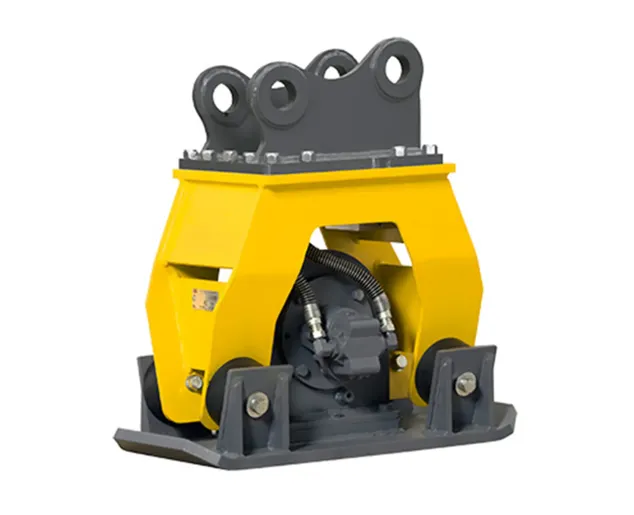
While traditional plate compactors and manual compaction methods remain suitable for smaller applications, larger projects increasingly rely on hydraulic compactor attachments mounted to excavators. These attachments allow contractors to compact material more efficiently, safely and consistently while reducing labour requirements and project timelines.

For companies looking for reliable hydraulic compactor attachments and excavator compaction equipment, understanding where these attachments provide the greatest value can help improve productivity while ensuring construction standards are met.

Why Ground Compaction Is So Important

Before any structure is built, the ground beneath it must be capable of supporting the loads that will be placed upon it. Poor compaction can lead to serious structural problems, including settlement, uneven surfaces and premature failure of roads, foundations and paved areas.

Proper compaction helps to:

  • Increase soil stability
  • Reduce air pockets within the ground
  • Improve load-bearing capacity
  • Prevent future settlement
  • Reduce water infiltration
  • Create a solid base for construction

Whether working on commercial developments, residential projects or civil infrastructure, achieving the correct level of compaction is essential before moving to the next phase of construction.

Common Applications for Hydraulic Compactor Attachments

Hydraulic compactors are designed to work with excavators, allowing operators to compact material quickly and accurately without requiring additional standalone equipment.

They are commonly used for:

  • Trench backfilling
  • Foundation preparation
  • Pipeline installations
  • Road construction
  • Utility projects
  • Retaining wall construction
  • Embankment stabilisation
  • General earthworks

Their versatility makes them an essential attachment for contractors working across a wide range of construction disciplines.

Improving Trench Compaction

One of the most common uses for hydraulic compactor attachments is trench compaction.

After underground services such as water pipes, sewer lines, electrical conduits or telecommunications infrastructure have been installed, trenches must be carefully backfilled and compacted.

Poor trench compaction can result in:

  • Surface settlement
  • Damage to road surfaces
  • Utility failures
  • Increased maintenance costs

By attaching a hydraulic compactor to an excavator, operators can compact each layer of backfill evenly and efficiently while maintaining consistent compaction throughout the trench.

This improves the quality of the finished work while reducing the likelihood of future repairs.

Faster Foundation Preparation

Every successful building begins with a stable foundation.

Before concrete is poured, the underlying material must be compacted to create a uniform surface capable of supporting structural loads.

Hydraulic compactors allow contractors to prepare foundation areas more efficiently by:

  • Compacting large areas quickly
  • Achieving consistent density
  • Accessing difficult locations
  • Reducing manual labour

This helps ensure foundations are built on stable ground while keeping projects on schedule.

Increased Productivity on Site

Construction companies are constantly looking for ways to improve productivity without compromising quality.

Hydraulic compactor attachments contribute to this by allowing excavators to perform multiple functions without requiring additional specialised equipment.

Instead of bringing separate compaction machines onto site, contractors can use existing excavators to:

  • Excavate
  • Move material
  • Backfill trenches
  • Compact surfaces

This reduces equipment movements, simplifies logistics and improves overall workflow.

The result is greater efficiency across the entire project.

Improved Operator Safety

Safety remains one of the highest priorities on construction sites.

Traditional manual compaction methods often require operators to work directly inside trenches or confined work areas.

Hydraulic compactor attachments help reduce these risks by allowing operators to perform compaction from within the excavator cab.

This provides several safety benefits:

  • Reduced exposure to hazardous areas
  • Less manual handling
  • Improved operator visibility
  • Better control over compaction activities
  • Reduced fatigue during repetitive work

By minimising the need for personnel to work in potentially hazardous locations, contractors can improve site safety while maintaining productivity.

Consistent Compaction Results

Achieving consistent compaction across an entire project is critical.

Uneven compaction can create weak points within the ground that may lead to future settlement or structural issues.

Hydraulic compactor attachments provide controlled vibration and even pressure, allowing operators to achieve uniform results across different ground conditions.

This consistency is particularly important for infrastructure projects where quality standards must be maintained throughout the construction process.

Reducing Labour Requirements

Labour shortages and rising operating costs continue to challenge the construction industry.

By using hydraulic compactor attachments, contractors can complete compaction tasks with fewer personnel while maintaining high standards of workmanship.

Benefits include:

  • Lower labour costs
  • Reduced project durations
  • Improved equipment utilisation
  • Simplified site operations
  • Greater operational efficiency

These advantages make hydraulic compactors a practical investment for projects where productivity and cost control are priorities.

Choosing the Right Compaction Equipment

Not every project requires the same compaction solution.

Factors such as soil type, trench dimensions, project size and site access all influence the most suitable equipment.

Working with an experienced equipment hire company helps contractors select attachments that match their specific project requirements.

Professional guidance ensures equipment is used efficiently while supporting safe and productive operations throughout the project.

Why Hire Hydraulic Compaction Equipment?

Purchasing specialised attachments may not always be the most cost-effective solution, particularly for contractors who only require them on selected projects.

Hiring provides several advantages:

  • Access to professionally maintained equipment
  • Reduced capital expenditure
  • No long-term maintenance responsibilities
  • Equipment available only when required
  • Greater flexibility across multiple projects

Hiring also allows businesses to scale equipment according to project demands without investing in machinery that may spend long periods unused.

Conclusion

Effective ground compaction is essential for the long-term success of any construction project. Hydraulic compactor attachments provide contractors with an efficient, reliable and safe solution for trench backfilling, foundation preparation and general earthworks while improving productivity and reducing labour requirements.

For businesses requiring dependable hydraulic compactor attachments and excavator compaction equipment, Riviera Hire offers quality equipment to support a wide range of construction and civil engineering projects. Choosing the right attachment for the job helps ensure better compaction, stronger foundations and more efficient project delivery from start to finish.

Why Hiring Equipment Makes Sense for Seasonal Construction Work

Hiring Equipment Makes Sense

Construction activity rarely remains constant throughout the year. Project demand fluctuates, weather conditions influence site activity, and contractors often experience periods of intense workload followed by quieter months. These natural cycles create challenges when it comes to equipment ownership and resource planning.

For contractors operating in South Africa’s construction sector, flexibility is essential. Purchasing equipment to meet peak demand can leave businesses with underutilised assets during slower periods. This is why seasonal construction equipment hire has become an increasingly attractive solution.

Rather than carrying the financial burden of equipment ownership year-round, contractors can access the machinery they need when workloads increase and return it when demand decreases. Riviera Hire supports this approach by providing reliable equipment that helps businesses remain agile, productive, and financially efficient.

The Impact of Seasonal Workloads on Equipment Needs

Construction workloads often vary according to project pipelines, weather conditions, municipal spending cycles, and industry demand. During busy periods, contractors may need additional equipment to meet deadlines and manage multiple projects simultaneously.

However, purchasing equipment specifically for peak periods can create problems once demand slows.

Equipment that sits unused still incurs costs such as:

  • Storage and security
  • Maintenance requirements
  • Insurance expenses
  • Depreciation

For businesses operating on tight margins, these ongoing costs can significantly affect profitability.

This is where flexible plant hire South Africa provides a practical alternative.

Avoiding Idle Equipment During Slower Periods

One of the biggest disadvantages of ownership is idle equipment. Machinery that is not actively contributing to a project still represents a financial liability.

Hiring allows contractors to align equipment usage directly with workload requirements. When projects increase, additional machinery can be brought in. When work slows down, equipment can simply be returned.

This approach helps contractors:

  • Reduce unnecessary overheads
  • Improve equipment utilisation
  • Maintain stronger cash flow
  • Avoid paying for unused assets

The result is a more efficient operating model that responds to actual project demand.

Managing Costs More Effectively

Seasonal fluctuations often make budgeting difficult. Contractors need access to equipment without committing to large capital expenditures that may not generate consistent returns.

Hiring equipment transforms machinery costs into manageable operational expenses.

Benefits include:

  • Predictable project costs
  • Reduced capital investment
  • Improved financial flexibility
  • Better alignment between expenditure and revenue

By using seasonal construction equipment hire, businesses can scale resources according to demand without creating long-term financial obligations.

Supporting Operational Flexibility

Construction projects frequently evolve as they progress. Equipment requirements can change based on site conditions, project scope, or scheduling adjustments.

Hiring supports flexibility by allowing contractors to:

  • Access equipment for specific project phases
  • Adjust machinery requirements quickly
  • Respond to unexpected opportunities
  • Manage changing workloads efficiently

This adaptability is particularly valuable in seasonal markets where demand can shift rapidly.

Reducing Financial Risk

Every equipment purchase carries a degree of risk. Market conditions change, project pipelines fluctuate, and machinery may not always generate the expected return on investment.

Hiring helps reduce this risk by removing the need for large upfront purchases.

Instead of committing significant capital to equipment ownership, contractors can preserve resources for:

  • Labour costs
  • Materials
  • Business development
  • Future growth opportunities

This creates a more resilient business model capable of adapting to changing market conditions.

Building a More Agile Construction Business

Modern construction businesses must remain flexible to stay competitive. Seasonal demand, changing project requirements, and economic uncertainty all require a strategic approach to resource management.

Equipment hire supports this agility by providing access to machinery without long-term commitments. Contractors can expand or reduce capacity as required while maintaining operational efficiency.

For many businesses, this flexibility has become a key competitive advantage.

Conclusion

Seasonal demand is a reality of the construction industry, and successful contractors understand the importance of adapting to changing workloads. Seasonal construction equipment hire provides the flexibility needed to manage peak demand while avoiding the costs associated with idle machinery.

By using flexible plant hire South Africa, contractors can improve financial control, reduce risk, and maintain operational efficiency throughout the year. Riviera Hire helps construction businesses navigate seasonal challenges with reliable equipment solutions designed to support real-world project demands.

How Equipment Hire Helps Contractors Stay Competitive Without Overinvesting

Equipment Hire Helps Contractors

The construction industry is highly competitive. Contractors are expected to deliver quality work, meet deadlines, control costs, and adapt quickly to changing project demands. At the same time, businesses must carefully manage resources to remain profitable.

One of the biggest challenges contractors face is deciding how much to invest in equipment ownership. While owning machinery may seem like a sign of growth, excessive investment can limit flexibility and place unnecessary strain on finances.

Many successful businesses now view cost-effective equipment hire as a strategic tool rather than simply a temporary solution. By hiring equipment when required, contractors can remain competitive while maintaining strong financial control.

Why Overinvestment Limits Business Growth

Construction equipment represents a significant capital expense. Purchasing machinery often requires substantial upfront investment, financing arrangements, and ongoing maintenance commitments.

While ownership may be appropriate in some circumstances, excessive investment can create several challenges:

  • Reduced cash reserves
  • Higher financial risk
  • Increased maintenance obligations
  • Limited flexibility when project needs change

Money tied up in machinery cannot be used elsewhere in the business.

For growing contractors, this can slow expansion and reduce opportunities to pursue new work.

Hiring as a Smarter Growth Strategy

Equipment hire allows businesses to access the machinery they need without committing large amounts of capital.

This approach supports growth by:

  • Preserving cash flow
  • Reducing financial risk
  • Supporting project scalability
  • Improving operational flexibility

Rather than purchasing equipment based on future assumptions, contractors can hire according to actual project requirements.

This makes growth more sustainable and easier to manage.

Improving Construction Business Efficiency

Efficiency is critical in a competitive market. Contractors must maximise productivity while controlling costs.

Hiring equipment improves construction business efficiency by ensuring that machinery is:

  • Available when needed
  • Suitable for specific tasks
  • Properly maintained
  • Aligned with project requirements

This helps eliminate inefficiencies caused by outdated, unsuitable, or underutilised equipment.

Maintaining Competitive Pricing

Competitive pricing often determines whether contractors win new projects. Excessive ownership costs can make it harder to maintain attractive rates while protecting profit margins.

Equipment hire helps control overheads and allows businesses to price projects more effectively.

By avoiding large ownership expenses, contractors gain greater flexibility when preparing quotations and tender submissions.

Adapting to Market Opportunities

Construction opportunities do not always arrive in predictable patterns. New projects may require different equipment or larger resource commitments than current operations can support.

Hiring enables contractors to respond quickly without waiting to purchase additional machinery.

This agility allows businesses to:

  • Pursue larger contracts
  • Expand into new markets
  • Manage workload increases
  • Support business development goals

Flexibility often creates opportunities that ownership alone cannot support.

Creating Long-Term Business Resilience

Competitive businesses focus not only on immediate project needs but also on long-term sustainability.

Equipment hire contributes to resilience by:

  • Reducing exposure to depreciation
  • Limiting maintenance liabilities
  • Supporting adaptable operations
  • Preserving capital for strategic investment

This balanced approach helps contractors navigate changing market conditions while maintaining operational strength.

Conclusion

Remaining competitive in construction requires more than quality workmanship. Businesses must manage resources strategically, control costs, and adapt to changing opportunities.

Cost-effective equipment hire provides a practical way to achieve these goals. By reducing capital risk and improving flexibility, contractors can maintain strong operational performance without overinvesting in machinery ownership.

Riviera Hire supports competitive construction contractors with dependable equipment solutions that help businesses grow efficiently and confidently.

How Equipment Hire Supports Multi-Site Construction Operations

Equipment Hire Supports Multi-Site Construction

Managing a single construction site already requires coordination, planning, and constant problem-solving. When contractors begin operating across multiple sites simultaneously, those challenges increase significantly. Equipment allocation, transport logistics, scheduling, and cost management all become more complex.

For growing contractors and construction companies, equipment availability often becomes one of the biggest operational obstacles. Owning enough machinery to fully support several active sites can place enormous pressure on budgets and reduce flexibility. This is where equipment hire for multiple sites becomes an important operational advantage.

By using flexible hire solutions, contractors can scale equipment according to project demands without carrying the long-term burden of ownership. Riviera Hire supports multi-site operations by providing reliable equipment that helps construction teams stay organised, productive, and responsive across different projects.

The Complexity of Running Multiple Sites

Multi-site construction operations require careful coordination between teams, suppliers, equipment, and project timelines. Even minor delays on one site can affect scheduling and resource availability elsewhere.

One of the most common challenges is ensuring that equipment is available where and when it is needed. Contractors managing several sites often face situations where:

  • Equipment is tied up on another project
  • Machinery must be moved between sites at short notice
  • Certain projects require specialised equipment for limited periods

Trying to manage all of this with owned machinery alone can quickly become inefficient.

This is why many growing contractors rely on scalable plant hire to maintain flexibility and operational control.

Why Hiring Improves Resource Allocation

Efficient resource allocation is essential when running multiple projects. Contractors need to ensure that equipment is distributed according to each site’s current requirements without overspending or leaving machinery idle.

Hiring improves resource allocation by allowing businesses to:

  • Bring in additional equipment during peak activity
  • Return machinery when no longer required
  • Match equipment to specific project stages

This flexibility helps contractors avoid the common problem of owning equipment that is underutilised on some sites while other projects face shortages.

With multi-site construction equipment hire, businesses can adapt more easily to changing workloads and site demands.

Improving Flexibility Across Different Projects

No two construction projects operate exactly the same way. One site may focus on groundwork and preparation while another is moving into finishing stages. Equipment requirements change constantly as projects progress.

Hiring equipment allows contractors to respond quickly without making permanent purchasing decisions.

This flexibility is especially valuable when:

  • Taking on new projects unexpectedly
  • Managing overlapping construction phases
  • Handling temporary increases in workload

Instead of delaying work while sourcing equipment, contractors can access the machinery required to keep projects moving.

Reducing Financial Pressure on Growing Businesses

Purchasing enough equipment to support several active sites requires significant capital investment. For many businesses, this creates financial pressure that can limit growth opportunities.

Hiring provides a more manageable alternative.

By using equipment hire for multiple sites, contractors avoid:

  • Large upfront machinery purchases
  • Long-term financing commitments
  • Ongoing ownership costs during quieter periods

This allows businesses to scale operations more sustainably while maintaining healthier cash flow.

Supporting Better Operational Control

Construction projects become harder to manage when equipment availability is unpredictable. Delays caused by missing or unsuitable machinery can disrupt entire workflows.

Hiring equipment improves operational control by ensuring contractors can:

  • Plan projects with greater confidence
  • Maintain consistent equipment availability
  • Reduce downtime caused by scheduling conflicts

Reliable equipment access helps project managers maintain momentum across multiple locations.

Minimising Idle Equipment and Unnecessary Costs

One of the biggest inefficiencies in construction is machinery sitting unused between projects. Idle equipment still incurs maintenance, storage, and depreciation costs, even when it generates no value.

Hiring eliminates much of this waste.

Contractors only pay for equipment when it is actively contributing to a project. Once work is complete, machinery can be returned without ongoing financial responsibility.

This creates a leaner and more adaptable operating model.

Supporting Long-Term Business Growth

As construction businesses expand, operational flexibility becomes increasingly important. Contractors need to respond quickly to new opportunities without overcommitting financially.

Scalable equipment hire supports this growth by:

  • Allowing businesses to take on larger workloads
  • Improving adaptability across different project types
  • Reducing the risks associated with rapid expansion

For many companies, hiring equipment becomes a key part of sustainable business development.

Conclusion

Managing multiple construction sites requires flexibility, coordination, and strong operational control. Equipment hire for multiple sites provides contractors with a practical way to scale resources without the financial burden of owning large amounts of machinery.

By using scalable plant hire, businesses can improve equipment allocation, reduce operational pressure, and maintain productivity across different projects. Riviera Hire supports growing construction operations with dependable equipment solutions designed for real site conditions and changing project demands.

What Contractors Should Consider Before Hiring Construction Equipment

Contractors Should Consider Before Hiring

Hiring construction equipment is often the most practical solution for contractors who need flexibility, cost control, and reliable machinery on site. However, choosing the right equipment involves more than simply selecting what is available.

Poor equipment choices can lead to delays, safety concerns, unnecessary costs, and reduced productivity. This is why contractors should approach equipment hire strategically, especially when managing tight schedules and demanding site conditions.

Understanding the most important plant hire considerations helps contractors make informed decisions that improve efficiency and reduce operational risk. Riviera Hire supports this process by providing dependable equipment suited to a wide range of construction applications.

Assessing Site Needs and Project Scope

Before hiring equipment, contractors need a clear understanding of the project itself. Site conditions, project duration, and task requirements all influence which machinery will perform best.

Key questions to consider include:

  • What type of work needs to be completed?
  • How large is the site?
  • What access limitations exist?
  • How long will the equipment be needed?

Without properly assessing project scope, contractors risk hiring machinery that is either unsuitable or unnecessarily expensive.

A thorough assessment helps ensure equipment matches operational requirements from the beginning.

Choosing the Right Equipment for the Job

One of the most important construction equipment hire tips is selecting machinery designed specifically for the intended task.

Using the wrong equipment can:

  • Slow down productivity
  • Increase fuel and operating costs
  • Create additional safety risks
  • Lead to unnecessary wear and tear

Hiring the correct machinery improves efficiency and helps work progress smoothly.

Reliable hire providers can also assist contractors in identifying equipment best suited to specific site conditions and project goals.

Considering Project Duration Carefully

Project timelines play a major role in equipment hire planning. Some machinery may only be required for a short phase of construction, while other equipment will remain necessary throughout the project.

Understanding duration requirements helps contractors:

  • Avoid paying for unnecessary hire periods
  • Schedule equipment more efficiently
  • Improve overall cost management

Careful planning prevents machinery from sitting idle while still incurring hire costs.

Understanding Site Conditions and Access

Construction sites vary significantly in terms of terrain, space limitations, and operating conditions. Equipment that works well on one site may be unsuitable for another.

Before hiring equipment, contractors should evaluate:

  • Ground conditions
  • Site accessibility
  • Available operating space
  • Environmental limitations

This helps ensure that machinery can operate safely and efficiently under actual site conditions.

Prioritising Safety and Reliability

Safety should always remain a top priority when hiring construction equipment. Machinery that is poorly maintained or unsuitable for the task increases the risk of accidents and downtime.

Contractors should ensure hired equipment:

  • Has been properly maintained
  • Meets operational safety standards
  • Is appropriate for the intended use

Reliable equipment supports both productivity and responsible site management.

Aligning Equipment Choices With Budget Goals

Budget management is a major part of successful project planning. Hiring equipment allows contractors to avoid large capital purchases, but costs still need to be managed carefully.

When evaluating hire options, contractors should consider:

  • Hire duration
  • Equipment suitability
  • Productivity benefits
  • Potential downtime costs

The cheapest option is not always the most cost-effective if it leads to delays or inefficiencies on site.

Working With a Reliable Equipment Hire Partner

Choosing the right hire provider is just as important as selecting the right machinery. Contractors benefit from working with suppliers who understand construction operations and provide dependable support.

A reliable hire partner helps ensure:

  • Equipment availability when needed
  • Properly maintained machinery
  • Professional advice and support

Strong supplier relationships contribute to smoother project execution and fewer operational disruptions.

Conclusion

Hiring construction equipment requires careful planning and informed decision-making. By evaluating project scope, site conditions, timelines, and equipment suitability, contractors can improve efficiency while reducing risk and unnecessary costs.

These construction equipment hire tips help businesses make smarter operational choices and maintain productivity across different projects. Riviera Hire supports contractors with dependable equipment solutions designed to meet the practical demands of modern construction work.

Why Reliable Equipment Hire Reduces Delays on Construction Sites

Reliable Equipment Hire Reduces Delays

Construction projects depend on timing. From site preparation to final finishes, each stage relies on coordination between teams, materials, and equipment. When one part of the process fails, delays quickly follow.

One of the most common causes of disruption is unreliable machinery. Equipment breakdowns, poor performance, or incorrect equipment selection can bring work to a halt. This is why reliable equipment hire plays such an important role in keeping projects on schedule.

Riviera Hire supports contractors by providing dependable, well-maintained equipment that helps reduce downtime and maintain steady progress on site.

How Equipment Failures Disrupt Project Timelines

Construction sites operate on tight schedules. Equipment is often needed at specific stages, and delays in availability or performance can impact the entire workflow.

Equipment-related delays typically occur due to:

  • Mechanical breakdowns
  • Poor maintenance
  • Incorrect equipment selection
  • Limited availability of suitable machinery

When equipment fails, work stops. Labour may remain on site without being productive, and project timelines begin to slip.

These delays not only affect completion dates but also increase costs and strain client relationships.

The Value of Properly Maintained Hire Equipment

Maintenance is a key factor in equipment reliability. Machines that are regularly serviced and inspected are far less likely to fail during operation.

Hiring equipment ensures that machinery is:

  • Checked before deployment
  • Serviced according to manufacturer standards
  • Prepared for real construction conditions

This reduces the risk of unexpected breakdowns and helps maintain consistent site performance.

With reliable equipment hire, contractors gain access to machines that are ready to work from the moment they arrive on site.

Keeping Workflows Consistent Across Project Phases

Construction projects move through different stages, each requiring specific equipment. Delays in one stage can create a ripple effect across the entire project.

Reliable equipment supports consistent workflows by ensuring that:

  • Tasks are completed on schedule
  • Equipment is available when needed
  • Work transitions smoothly between stages

This consistency helps contractors maintain momentum and avoid unnecessary disruptions.

Reducing Downtime and Increasing Productivity

Downtime is one of the most costly issues in construction. When equipment is not functioning, productivity drops, and labour costs continue to accumulate.

Hiring reliable equipment helps avoid site downtime by:

  • Minimising breakdowns
  • Providing equipment suited to the task
  • Ensuring availability when required

With fewer interruptions, teams can focus on completing work efficiently and maintaining project timelines.

Supporting Better Planning and Project Control

Reliable equipment makes planning easier. When contractors can depend on machinery to perform as expected, they can schedule work with greater confidence.

This improves:

  • Project coordination
  • Resource allocation
  • Overall site management

Reliable equipment is not just about performance, it is about control. It allows contractors to manage projects more effectively and respond to challenges with confidence.

Building Trust Through Consistent Delivery

Meeting deadlines is critical in construction. Delays can damage reputations and affect future opportunities.

By using reliable equipment hire, contractors can deliver projects more consistently. This builds trust with clients and strengthens long-term business relationships.

Reliable performance on site reflects professionalism and commitment to quality.

Conclusion

Delays on construction sites are costly, but many can be avoided with the right approach to equipment. Reliable equipment hire ensures that machinery performs consistently, reducing downtime and supporting efficient workflows.

Riviera Hire provides dependable equipment solutions that help contractors stay on schedule, maintain productivity, and deliver projects with confidence.

The Role of Equipment Hire in Managing Project Cash Flow

The Role of Equipment Hire

Cash flow is one of the most critical factors in the success of any construction project. While materials and labour are often top of mind, equipment costs can quietly place significant pressure on project finances. For contractors and business owners, maintaining steady construction cash flow is not just about earning revenue, but about managing expenses in a way that keeps projects moving without financial strain.

This is where equipment hire becomes a practical and strategic solution. By using affordable plant hire, contractors can reduce upfront costs, improve financial predictability, and maintain flexibility across multiple projects. Riviera Hire supports this approach by providing reliable equipment without the long-term financial burden of ownership.

Why Equipment Ownership Strains Project Budgets

Owning construction equipment may seem like a long-term investment, but it often introduces financial challenges that are not immediately obvious. The initial purchase cost alone can place significant strain on project budgets, especially for small to medium contractors.

Beyond the purchase price, ownership brings ongoing expenses such as:

  • Maintenance and servicing
  • Repairs and parts replacement
  • Storage and security
  • Insurance and compliance costs

These costs continue regardless of whether the equipment is actively being used. For contractors managing multiple projects or fluctuating workloads, this can create unnecessary financial pressure.

In contrast, equipment hire for cost control allows businesses to avoid these ongoing expenses while still accessing the machinery required for the job.

Hiring as a Smarter Financial Strategy

Hiring equipment shifts costs from a large upfront investment to a manageable, project-based expense. This makes it easier for contractors to plan and allocate resources effectively.

With equipment hire, contractors can:

  • Pay only for the duration of use
  • Avoid long-term financial commitments
  • Preserve capital for essential project needs

This approach supports healthier construction cash flow, especially when working on projects with tight margins or staged payments.

By reducing financial risk, hiring allows contractors to focus on delivering quality work without worrying about recovering the cost of expensive equipment purchases.

Improving Budget Predictability

One of the key advantages of equipment hire is the ability to predict costs more accurately. When equipment is hired for a defined period, contractors know exactly what they will pay.

This level of predictability helps with:

  • Project budgeting and forecasting
  • Managing client expectations
  • Avoiding unexpected financial surprises

In an industry where delays and variations are common, having predictable equipment costs provides valuable financial stability.

Scaling Projects Without Financial Pressure

Construction businesses often experience periods of growth where additional equipment is required to take on new projects. Purchasing new machinery during these periods can place strain on cash reserves and limit expansion.

Equipment hire allows contractors to scale operations without overextending financially.

By using affordable plant hire, businesses can:

  • Take on larger or additional projects
  • Adjust equipment levels based on workload
  • Avoid accumulating underutilised assets

This flexibility supports sustainable growth while maintaining financial control.

Reducing Idle Equipment Costs

One of the biggest inefficiencies in construction is owning equipment that is not in use. Idle machinery still incurs costs through storage, maintenance, and depreciation.

Hiring eliminates this issue entirely.

Contractors only pay for equipment when it is actively contributing to a project. Once the work is complete, the equipment is returned, and costs stop immediately.

This ensures that every expense directly supports productivity.

Supporting Smarter Financial Decision-Making

Modern construction businesses need to operate with financial awareness. Decisions around equipment should not only consider availability, but also long-term impact on cash flow and profitability.

Equipment hire supports smarter decision-making by:

  • Reducing financial risk
  • Improving cost control
  • Allowing greater flexibility across projects

For many contractors, hiring is no longer just a convenience, it is a strategic financial choice.

Conclusion

Managing construction cash flow is essential for keeping projects on track and businesses profitable. Equipment ownership, while useful in some cases, often introduces unnecessary financial strain.

By using equipment hire for cost control, contractors can reduce upfront expenses, improve budget predictability, and maintain flexibility across different projects. Riviera Hire provides reliable, cost-effective equipment solutions that support strong financial management and efficient project delivery.